

Fitness


5 Kitchen Items You Should Get Rid Of Now
How to reduce your exposure to toxic chemicals.

Gina Bae
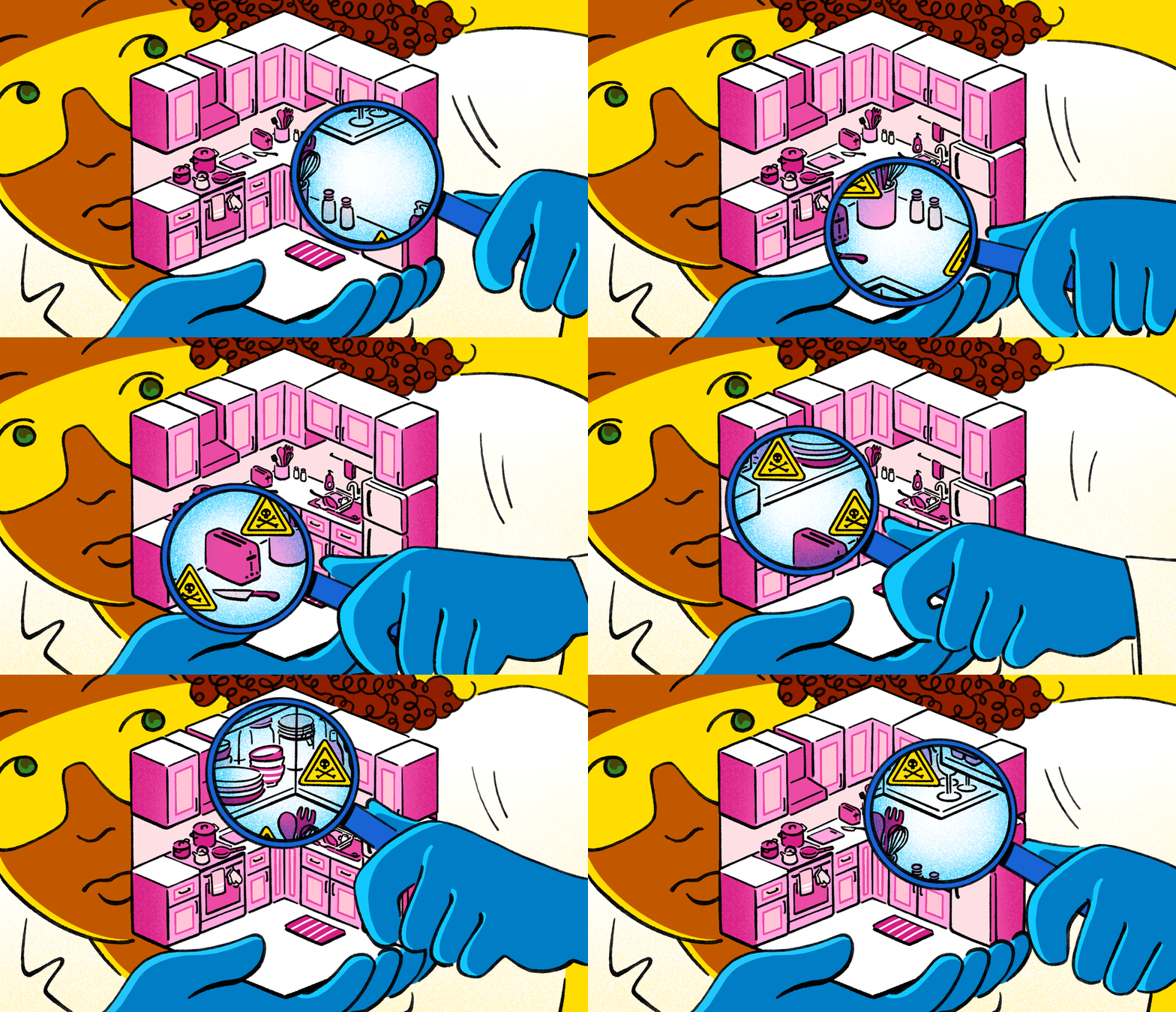
You keep your kitchen sparkling clean. Yet, some of our everyday tools are now known to be toxic. Researchers have found that microplastics inhaled by humans can be found in most of our internal organs. This is a health risk for heart disease, cancer, and obesity.
“If we want to stay healthy and live longer, then we need to get serious about limiting the use of plastic materials,” reports Dr. Leonardo Trasande, director of the NYU Center for the Investigation of Environmental Hazards. “As plastic items are used, heated, or chemically treated, tiny particles can be released and then inhaled or ingested by humans.”
Here are five ways to reduce exposure to microplastics and potentially dangerous chemicals in our kitchen products. The food we cook is delicious, but chemicals are not.
Trade Nonstick Pans for Stainless Steel or Cast Iron
Nonstick pans were introduced in 1951 by Dupont, but these traditional nonstick pans often contained PTFE (Teflon) and other chemicals. High temperatures cause the release of toxic fumes — not only harmful to people, but their pets too. It’s possible to get what’s called “Teflon flu,” with similar symptoms to the actual flu virus.
Teflon is not as durable as stainless steel. With age, the coating can peel off. Many professional chefs don’t use nonstick pans anymore.
It’s wise to trade nonstick pans for stainless steel or non-toxic, ceramic nonstick pans. One notable brand that offers a wide selection is Caraway. In my own kitchen, I’ve returned to using stainless steel and cast iron. A gift from my mother, these pans are still performing well, even after 30 years of use! My cast iron dutch oven was handed down from my grandmother, and I think of her every time I make a hearty winter soup or her recipe for meat loaf.
When using cast iron, wipe it dry after cleaning or else there can be rust stains. Season it occasionally by heating a thin layer of neutral oil on each pan.
Switch Out Plastic Storage Containess — No More BPA
Certain plastics are infused with a chemical called BPA. Risks increase when they’re scratched, worn out or heated in an oven or a microwave, when BPA can latch into your food. Determine if your plastic containers contain chemicals or other additives by looking at their bottoms to see if they’re marked with recycling numbers 3, 6 or 7.
I still reuse some plastic containers in my closet, but I wash them by hand and never put them in the dishwasher. I’ve also switched to glass, stainless steel and ceramic storage containers. Refrain from covering hot foods with plastic wrap, as the heat can release chemicals into leftovers from the plastic wrap. Make sure you use microwave- or oven-safe products when heating or reheating food.
Plastic kettles, which can contain BPA, should never be used to boil water or store hot beverages. An inexpensive way to switch out plastic storage containers is to wash and re-use jars from supermarket products.

Because everyone needs a Girlfriend™
Sign up to receive our free weekly newsletter every Thursday.
Aluminum Is Widespread in Our Environment
Aluminum is a metal in the earth’s crust and can be found in beverage cans, foil, food additives, antiperspirants, cosmetics and antacids.
Although aluminum pans are not considered to be harmful, according to the Agency for Toxic Substances, I like the way stainless steel pots and pans cook better. And exposure to aluminum rises when cooking acidic and spicy foods.
Home bakers should use parchment paper to line pans instead of aluminum foil. Or do it the way my grandmother did: butter the pan, dust it with flour and shake off the excess.
Cutting Boards: Revisiting the Debate Between Plastic and Wood
Decades ago, we were advised to switch from wood to plastic cutting boards, as cracks in wood can retain bacteria. Now, experts are advising us to swap out those plastic cutting boards because scratches and grooves from knives can release BPA chemicals into your food.
Solid wood or bamboo are not only safer, but they are also gentler on our knives. To be extra safe and avoid cross-contamination, dedicate one specific cutting board for meat and poultry, another for fruits and vegetables. Always wash with hot, soapy water. You can use 1 tablespoon of unscented bleach in a gallon of water, let stand for five minutes, then rinse well.
Always replace cracked or worn-out boards. Although some wooden boards, looking like works of art, can be quite pricey, you can also find good quality ones on the lower price end.
Plastic Kitchen Utensils: Switch From Black Plastic
Is your spatula half-melted? Cardiologists recommend not using plastic cooking utensils, especially black plastic; when they are heated, they can release flame retardants and microplastics.
Stainless steel, wood or silicone are your best bets.
There’s no need to detox your kitchen all at once. Start slowly with simple ways to reduce our exposure to unnecessary and dangerous chemicals. Soon you’ll be cooking and storing food without worrying about toxic chemicals.
More From The Girlfriend

Sex & Intimacy

Entertainment

More for you, from AARP
We are a community from AARP. Discover more ways AARP can help you live well, navigate life, save money — and protect older Americans on issues that matter.